Foods That Increases Libido in Women: Evidence Review 2026
Review 7 Foods That Increases Libido in Women, what research shows on blood flow and mood, and where direct evidence falls short.
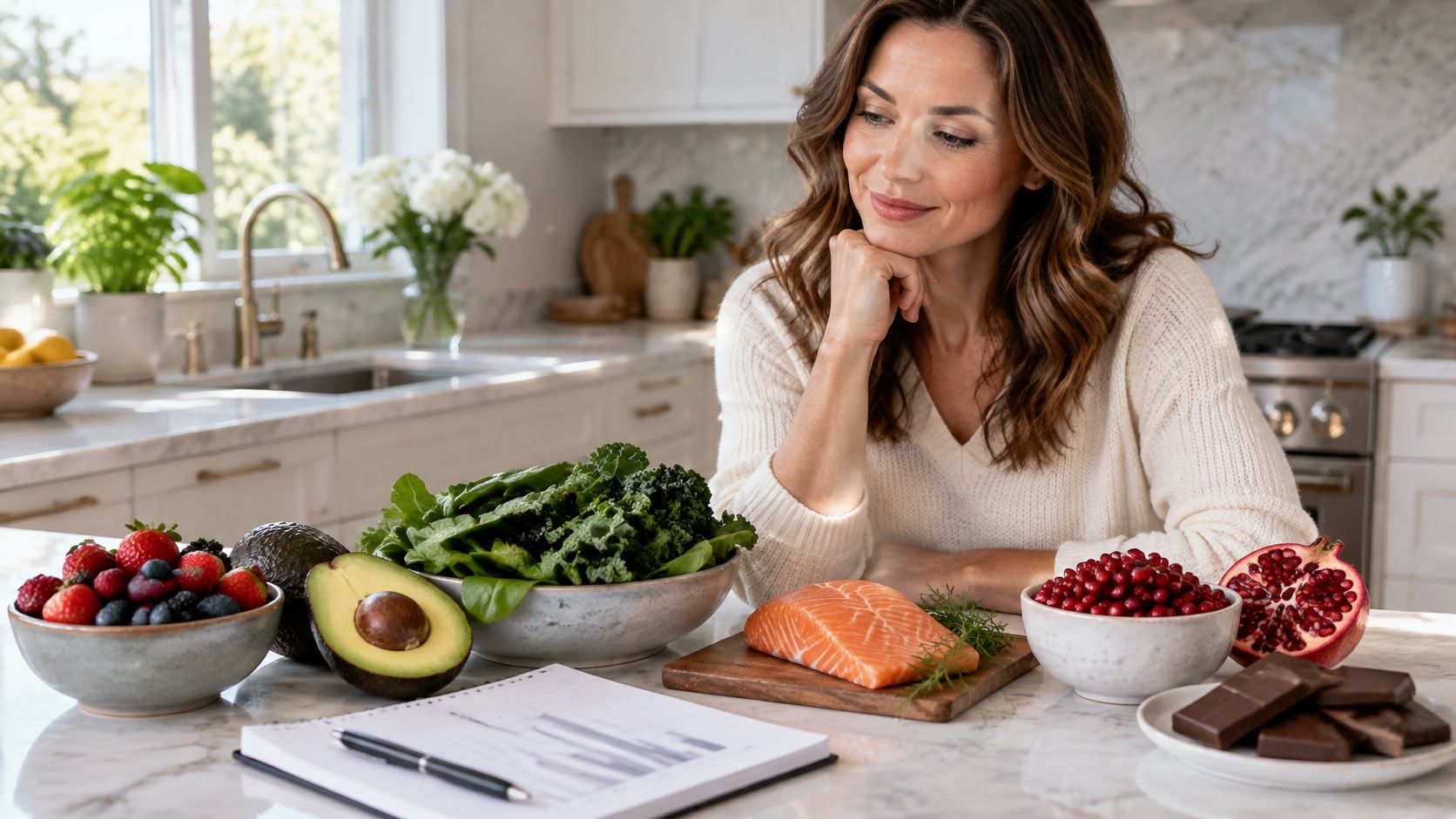
Chocolate, strawberries, and watermelon regularly appear on lists of foods that increase libido in women. The problem is that a plausible effect on circulation isn't the same as a demonstrated increase in sexual desire. A romantic reputation isn't clinical evidence either.
Food can support the cardiovascular, metabolic, and emotional conditions involved in sexual well-being. But a review of diet and female sexual dysfunction points more strongly toward overall dietary patterns than individual aphrodisiac foods, with important evidence coming from women with diabetes or other metabolic risk factors.
Libido means desire. Sexual function is broader, encompassing arousal, lubrication, orgasm, satisfaction, and pain. A food associated with a better overall sexual-function score hasn't necessarily been shown to make someone want sex more often.
The foods below are therefore graded on direct human evidence for libido, not their nutritional reputation. Proposed pathways include blood flow, mood, nutrient correction, and cultural association. None deserves a promise of immediate arousal, but several can fit comfortably into a realistic approach to nourishment and intimacy.
1. Strawberries
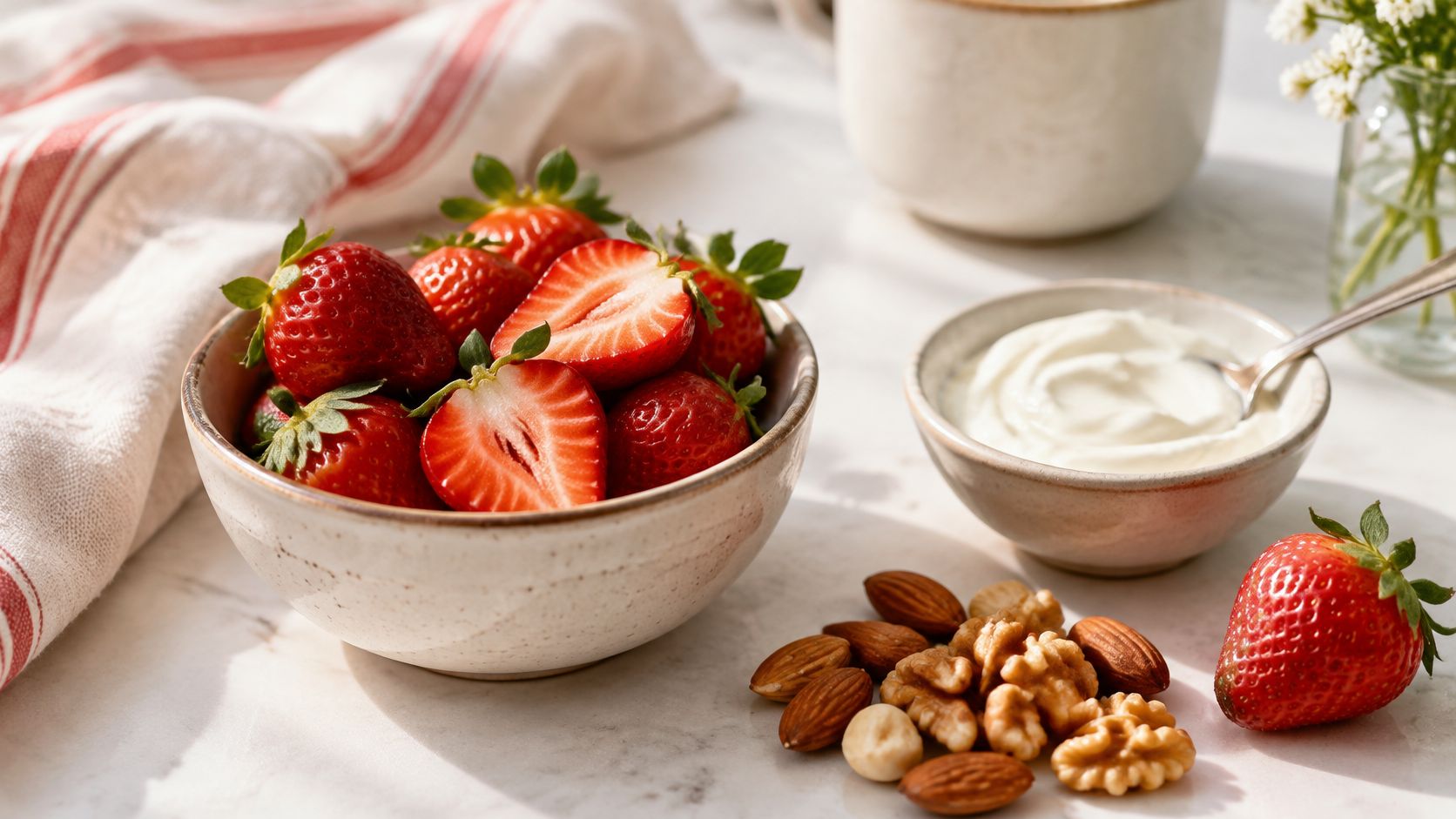
Strawberries make sense on a shared dessert plate. They're sweet, easy to serve, and closely associated with romance. That makes them useful for creating an enjoyable experience, not a proven treatment for low desire.
Proposed pathways are vascular support and cultural association. The nutritional argument centers on vitamin C and plant compounds, including anthocyanins, that are discussed in relation to blood-vessel health. The leap from those nutrients to a measurable increase in women's libido, however, hasn't been established by the clinical evidence available here.
A romantic food isn't necessarily an aphrodisiac
Direct human libido evidence is insufficient. There's no basis here for prescribing strawberries as a desire-enhancing dose, recommending a time to eat them before sex, or expecting them to correct arousal difficulties.
Their more defensible role is as fruit within a varied eating pattern. Enjoying the flavor, sharing preparation, or making time for a relaxed snack can also be worthwhile without assigning the berry a drug-like effect.
- For a balanced snack: Add sliced strawberries to plain Greek yogurt with chopped walnuts.
- For an easy breakfast: Blend frozen strawberries with spinach, yogurt, or a protein source you already enjoy.
- For better handling: Choose berries without visible mold, refrigerate them, and wash them shortly before eating.
Practical rule: Choose strawberries because you enjoy them, not because you expect a predictable sexual response.
If you're exploring ways to spice things up in the bedroom, treat a shared dessert as an invitation to connect, never an obligation to feel desire afterward.
2. Dark Chocolate
Chocolate illustrates the difference between pleasure, mood, and libido particularly well. Enjoying its taste is a genuine experience, but that doesn't establish a specific biological effect on sexual desire.
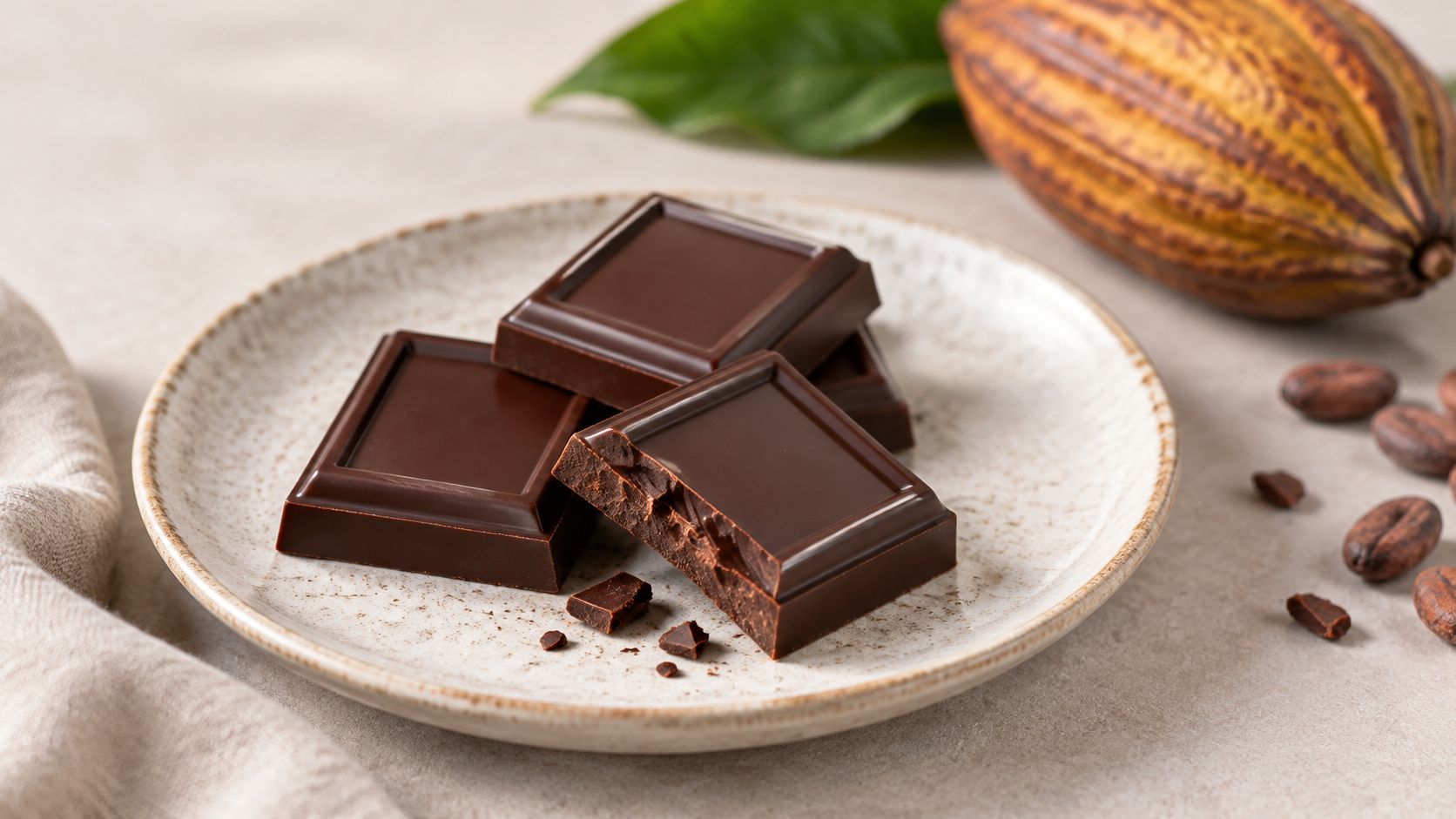
The proposed pathways are blood flow and mood. Cocoa flavanols are discussed in relation to vascular function, while chocolate's sensory appeal and romantic associations may contribute to an enjoyable setting. Neither pathway means that eating a chocolate square reliably increases desire.
A peer-reviewed review of diet and sexual health discusses cacao among foods potentially relevant to vascular or sexual health, but doesn't establish a clinically validated dose, onset time, or treatment effect for women's libido. Direct human libido evidence is limited and inconclusive, rather than strong enough to justify an aphrodisiac claim.
Choose chocolate as food, not a prescription
Try a small piece of dark chocolate after dinner, or stir unsweetened cocoa into yogurt or a warm drink. Choose the cacao intensity you enjoy and compare ingredient labels rather than assuming that a higher cacao percentage guarantees a stronger sexual effect.
Chocolate also shouldn't become a substitute for addressing persistent stress or distress. Reading about a de-stress supplement may help you frame questions about wellness options, but the evidence for each formulation needs separate consideration.
The useful distinction is simple: feeling pleased by a food isn't the same outcome as increased libido. Chocolate can belong in a pleasurable routine without needing to deliver a measurable change in desire.
3. Avocado
Mashed avocado on whole-grain toast with an egg is a practical meal. Calling it a hormone-balancing aphrodisiac adds a claim that the evidence doesn't establish.
Its proposed pathway is indirect vascular and nutritional support. Avocado contributes unsaturated fats and fits into a plant-forward eating pattern. That makes it a reasonable food choice, but it doesn't demonstrate that avocado itself increases genital blood flow, changes reproductive hormones, or raises sexual desire.
Direct human libido evidence is insufficient. The clinical material supporting dietary quality doesn't isolate avocado as an effective intervention for women's desire.
Separate nourishment from hormone claims
The phrase supports hormones often hides an important missing step. A food can provide nutrients used throughout the body without producing a measurable change in hormone levels or sexual interest.
Likewise, correcting an identified nutritional problem is different from adding more of a nutrient when your intake is already adequate. Avocado shouldn't be presented as a way to diagnose or treat a deficiency.
For everyday use, focus on meals you can repeat comfortably:
- Breakfast: Spread mashed avocado on whole-grain toast and add an egg or beans.
- Lunch: Add avocado to a leafy salad with chickpeas and a grain you enjoy.
- Dessert: Blend avocado with cocoa for a creamy pudding, adjusting sweetness to taste rather than treating it as a libido formula.
Store a cut avocado covered in the refrigerator; lemon juice can help limit visible browning. None of these preparation choices requires a special serving schedule around intimacy.
The strongest reason to eat avocado is that it works in satisfying meals. A nutritious meal doesn't need an aphrodisiac label to be worthwhile.
4. Watermelon
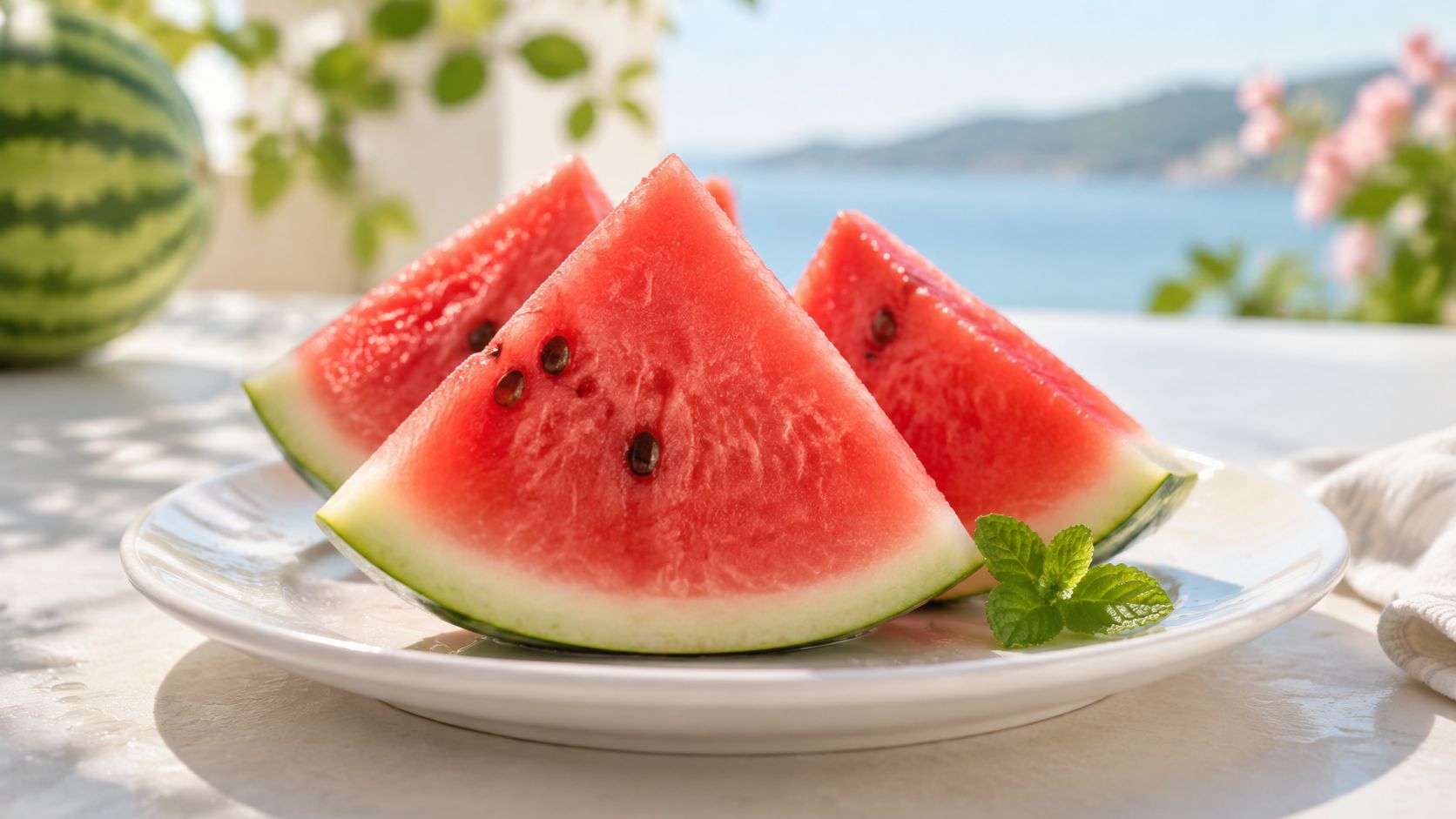
Watermelon's reputation rests largely on citrulline, rather than romance alone. The proposed pathway is specific: the body can convert citrulline into arginine, which participates in nitric oxide production and blood-vessel relaxation.
That's a biological rationale, not proof of a libido benefit. Even if an ingredient influences a vascular pathway, researchers still need to establish whether eating the food changes a meaningful sexual outcome in women.
Blood flow doesn't equal desire
Direct human libido evidence is insufficient. The available clinical evidence doesn't establish watermelon as a treatment for low desire, nor does it identify an effective food serving or a reliable time to benefit.
There are several separate questions: Does the food deliver enough of the relevant compound? Does that amount affect vascular function? Does any resulting change improve arousal, and does the woman experience more desire? Answering the first question doesn't settle the others.
Better circulation and greater sexual interest are related possibilities, not interchangeable outcomes.
Enjoy watermelon chilled, add cubes to a salad with feta and mint, or blend it into a refreshing drink. For a shared meal, a watermelon salad can accompany beans, fish, or another protein source rather than standing in for a complete meal.
Keep cut watermelon covered in the refrigerator and use clean utensils when serving it. There's no need to eat unusually large amounts in pursuit of an unproven effect.
The sensible conclusion is dietary, not pharmaceutical: watermelon is an enjoyable fruit, not a food-based equivalent of a medication for sexual difficulties.
5. Pomegranate
Pomegranate has a compelling appearance and a long-standing association with fertility. Those associations help explain its aphrodisiac reputation, but a symbol of fertility isn't evidence of increased desire.
The proposed pathways are vascular support and cultural association. Claims usually focus on its polyphenols and their potential relevance to blood-vessel function. The evidence available here doesn't justify presenting pomegranate fruit, juice, or extract as a proven libido intervention for women.
Direct human libido evidence is insufficient to support a recommendation. It's also important not to treat whole fruit, juice, and concentrated extracts as equivalent products.
Keep the form of the food in view
An extract can differ substantially from the food it comes from. Even a positive finding for a particular preparation wouldn't automatically establish that sprinkling pomegranate arils over breakfast produces the same result.
For a straightforward serving idea, use the arils as a topping rather than a supplement substitute:
- With breakfast: Add them to plain yogurt, oats, and chopped nuts.
- With dinner: Scatter them over roasted vegetables or a lentil salad.
- As a drink: Dilute unsweetened pomegranate juice with sparkling water if you enjoy a tart flavor.
This preparation demonstration offers another way to make the fruit easier to use.
When comparing women's health products, apply the same distinction: appealing ingredients and plausible mechanisms don't establish that a finished product improves desire.
Pomegranate can add flavor and variety to meals. It doesn't need a promise about hormones, fertility, or libido to justify its place in your kitchen.
6. Walnuts
Walnuts belong in a different evidence category from a supposed quick-acting aphrodisiac. Nuts are part of a dietary pattern with human sexual-function evidence, but that isn't evidence that walnuts independently increase libido.
The proposed pathway is long-term cardiometabolic and vascular support. Walnuts provide unsaturated fats, including alpha-linolenic acid, and can be included alongside vegetables, legumes, whole grains, and olive oil.
In a randomized Mediterranean-diet study involving women with metabolic syndrome, mean Female Sexual Function Index scores increased from 19.7 to 26.1 in the intervention group, while the control group remained stable. The intervention changed the dietary pattern, not walnut intake alone, and no individual sexual-function domain improved significantly.
What the stronger finding actually supports
Direct human libido evidence for walnuts is insufficient. The broader finding supports considering dietary quality, particularly in women with cardiometabolic risk factors, rather than identifying a nut with a proven desire-enhancing effect.
That distinction changes the practical advice. Instead of adding walnuts to an otherwise unchanged diet and waiting for an effect, use them as one component of meals you enjoy.
Chop walnuts into oatmeal, add them to a lentil salad, or combine them with dried fruit and dark chocolate for a convenient snack. Lightly toasting them can improve flavor; refrigerate or freeze shelled walnuts to help protect them from rancidity.
Evidence boundary: A successful whole-diet intervention can't tell you which ingredient caused the improvement.
Walnuts are therefore a reasonable dietary-pattern choice, not a clinically established libido treatment. Choose another suitable nut or seed if walnuts don't suit your preferences, budget, or allergy needs.
7. Salmon
Salmon is often promoted for libido because it supplies omega-3 fats, protein, vitamin D, and vitamin B12. Its nutritional value is a more defensible starting point than a promise of increased desire.
The proposed pathways are vascular support and nutrient correction, with mood sometimes included in the explanation. These are indirect pathways: supporting overall nutrition or addressing an actual deficiency is different from demonstrating that salmon increases libido in otherwise adequately nourished women.
Direct human libido evidence is insufficient. The dietary-pattern evidence includes fish, but doesn't establish salmon as a stand-alone treatment for low sexual desire.
A deficiency claim needs an assessment
Feeling tired or less interested in sex doesn't identify a particular nutrient deficiency. It also doesn't establish that eating more salmon will resolve the problem.
If nutrient status is a concern, discuss your symptoms, dietary restrictions, and medical history with a healthcare professional. Don't use a food list to decide that you need vitamin D, B12, or a concentrated fish-oil supplement.
For a practical meal, bake salmon with roasted vegetables and serve it with quinoa, barley, or another whole grain. Canned salmon can also work in a bean salad, a grain bowl, or a sandwich filling when cooking fresh fish isn't convenient.
- For convenience: Keep a canned option you enjoy alongside beans and whole grains.
- For variety: Rotate preparation methods and seasonings rather than forcing yourself to eat a disliked food.
- For realistic expectations: Treat salmon as a meal component, not something to time before intimacy.
The useful goal is a sustainable eating pattern. No individual fish needs to carry responsibility for your sexual well-being.
How each food links to libido and how much direct evidence supports it
Each food below is grouped by its proposed pathway, whether that is blood flow, mood, or correcting a nutrient gap. The evidence column rates what human studies show for libido itself, which is where most claims fall short.
| Item | Main Libido-Relevant Nutrient | Proposed Pathway | Direct Libido Evidence in Women | Practical Serving Guide |
|---|---|---|---|---|
| Strawberries | Vitamin C and polyphenols | May support blood vessel health and circulation | Limited direct evidence | Add fresh or frozen berries to yogurt or smoothies; pair with protein or fat |
| Dark Chocolate | Cocoa flavanols | May support nitric oxide production, blood flow, and mood | Direct libido effect is limited | Choose a darker chocolate and keep portions modest |
| Avocado | Monounsaturated fats and vitamin E | May support vascular health and blood flow | Direct libido evidence is limited | Add sliced avocado to salads, toast, or grain bowls |
| Watermelon | L-citrulline | May support nitric oxide production and circulation | Direct human libido studies are lacking | Enjoy chilled or in salads; whole fruit contains modest citrulline |
| Pomegranate | Polyphenols, including punicalagins and anthocyanins | May support vascular function and blood flow | Evidence does not justify a libido recommendation | Add arils to meals, or choose a small serving of unsweetened juice |
| Walnuts | Alpha-linolenic acid, an omega-3 fat | May support endothelial and blood vessel function | Direct libido research is minimal | About 1 oz, or roughly 14 walnut halves |
| Salmon | EPA and DHA omega-3 fatty acids | May support vascular function, mood, and nutrient status | Libido-specific research in women is limited | Include fatty fish as one protein within a varied diet |
The pattern across all seven rows is consistent. Each food has a plausible mechanism tied to vascular health or nutrient status, and each falls short on direct human evidence for desire. Plausible mechanism and proven effect are different claims, and only the first is supported here.
Build a Realistic Plan for Desire, Not a Shortcut
The most defensible approach is to choose foods for overall nourishment, vascular health, and enjoyment, while treating direct libido claims cautiously. None of these foods has strong evidence establishing a reliable, stand-alone increase in women's desire.
A review of nutrition and female sexual function supports a nutrient-dense dietary pattern while emphasizing the distinction between sexual function and desire. That matters because better lubrication, orgasm, or satisfaction doesn't necessarily mean more spontaneous interest in sex.
Build meals around vegetables, fruit, legumes, whole grains, nuts, olive oil, and fish if you eat it. Choose combinations that fit your preferences and budget rather than collecting every food described as an aphrodisiac.
Make the plan about your actual concern
Be specific about what you want help with. Reduced desire, difficulty becoming aroused, pain, and dissatisfaction aren't interchangeable problems, even though they can overlap.
- If you want dietary changes: Start with a repeatable meal, such as yogurt with berries and nuts or a bean-and-vegetable bowl.
- If intimacy feels pressured: Avoid turning food into another test of whether your body responds correctly.
- If difficulties persist or cause distress: Seek clinical evaluation rather than relying solely on foods or supplements, especially when pain or arousal difficulties are involved.
Botanical supplements are a separate decision with their own evidence limits. Our Femme Fresa Fatale gummies contain Maca Root, Damiana, and Ginseng, but their formulation shouldn't be treated as proof of a specific libido outcome or as equivalent to the dietary interventions discussed here.
They're intended for adults aged 18 and older. Don't exceed the recommended dosage, and consult a healthcare professional before use, especially if you're pregnant, nursing, managing a medical condition, or taking medication.
You don't need to make every meal therapeutic. A realistic plan combines enjoyable nourishment with attention to the particular physical, emotional, or relationship concern affecting you.
At Eve's Eden, we offer sensual wellness supplements designed to support confidence, connection, and feminine vitality. Visit Eve's Eden to explore our gummy options and review their ingredients and use guidance as you consider whether a supplement fits your wellness routine.